Expert Seattle Siding Services for Fiber Cement, Vinyl, and Wood Siding
Superior Exterior Cladding Services for Your Home Refresh
Revamping a home often begins with its exterior. Top-quality siding services play an essential role in enhancing both appearance and functionality. Homeowners face a multitude of options, from vinyl to fiber cement. Each choice presents unique benefits and challenges. Understanding these aspects is vital for making an informed decision. The consequences of siding selection extend beyond aesthetics. What factors should one consider to guarantee lasting value and performance?
Why Professional Siding Matters for Your Home
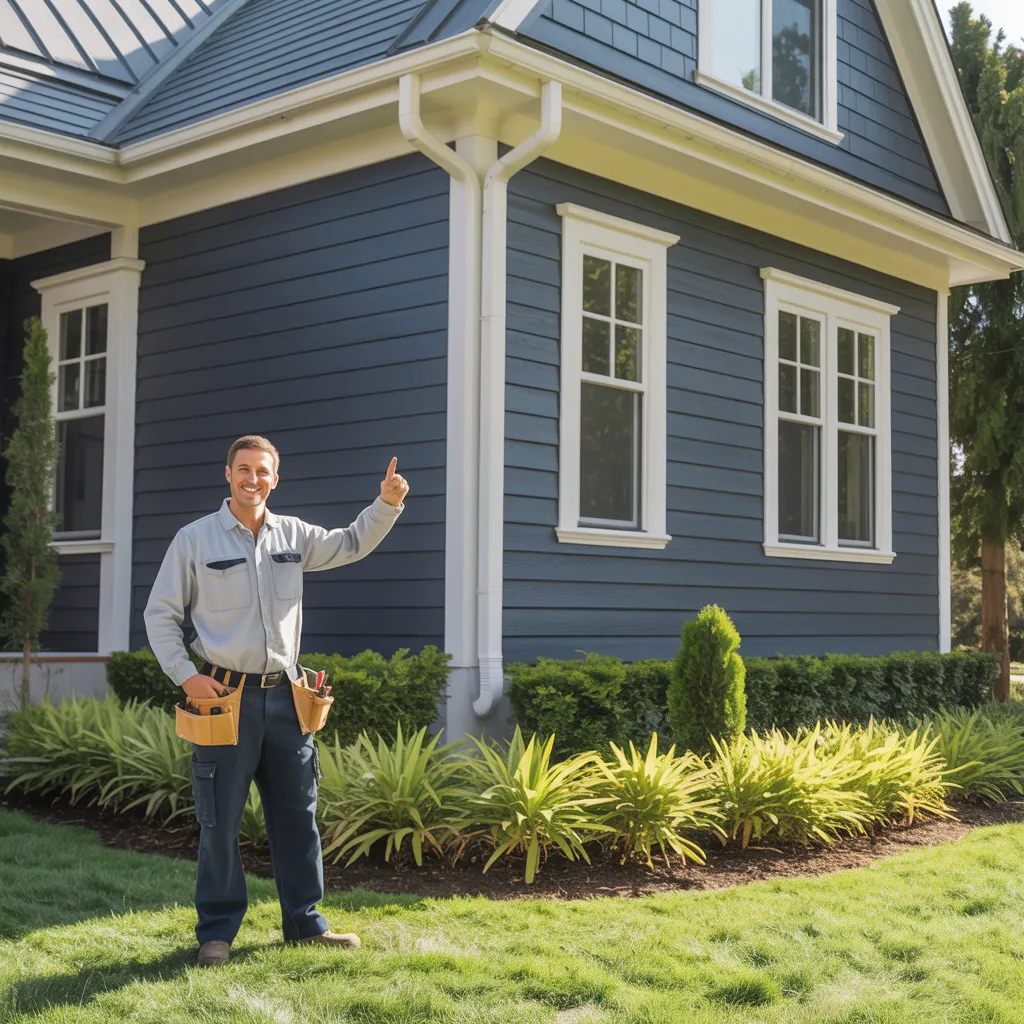
Why is quality siding installation important for a house? The caliber of siding directly impacts a home's aesthetic appeal, energy efficiency, and structural soundness. Professional installation guarantees that the siding is installed properly, minimizing the likelihood of water damage, mold growth, and insect problems. Additionally, expert siding services often come with warranties that safeguard the homeowner's investment, providing confidence against future issues.
In addition, professionals possess the knowledge needed to handle different materials and adhere to local building codes, ensuring compliance and durability. Proper siding can further increase a home’s market value, making it more attractive to potential buyers. Conversely, DIY installations might cause expensive mistakes and poor outcomes. Therefore, investing in professional siding is vital for preserving a home’s beauty and functionality, ultimately helping create a safer and more comfortable living environment.
Exploring Different Siding Options: Which One Is Right for You?
When assessing siding options, homeowners face a variety of materials, each delivering unique advantages. Vinyl siding is known for its affordability and low maintenance, while wood siding provides classic aesthetics that enhance curb appeal. Meanwhile, fiber cement stands out for its outstanding durability and protection to the elements, making it a practical choice for many.
Vinyl Siding Advantages
Even though householders often face a myriad of possibilities when selecting siding materials, vinyl siding emerges because of its unique combination of durability and low maintenance. This material is resistant to rot, pests, and severe weather, making it a perfect choice for various climates. Moreover, vinyl siding is offered in an extensive array of colors and styles, providing variety in design without the necessity for frequent repainting. Its cost-effectiveness compared to other siding options makes it affordable for many homeowners, while an easy cleaning process guarantees it stays visually appealing over time. In addition, vinyl siding promotes energy efficiency, aiding in lowering heating and cooling bills. In summary, these benefits position vinyl siding as a compelling choice for home makeovers.
Wood Siding Visual Appeal
While vinyl siding offers ease of use, wood siding delights with its natural beauty and classic allure. The pronounced fibers and warm tones of wood create an friendly ambiance, lifting a home's curb appeal. Available in different varieties, like cedar, pine, and redwood, wood siding allows homeowners to modify their aesthetic preferences. Its versatility can complement different architectural styles, from rustic cabins to modern designs. Additionally, wood siding can be painted or colored to secure the intended finish, supporting further personalization. However, the unique grain patterns and natural variations in color offer a singular charm that artificial materials frequently miss. Consequently, wood siding remains a widely chosen option for those seeking an tasteful natural style for their homes.
Fiber Cement Resilience
Fiber cement siding stands apart for its outstanding durability, positioning it as a top choice in the sector of home exteriors. It is composed of a mixture of cement, sand, and cellulose fibers, which fights off rot, warping, and insect damage. Unlike wood, fiber cement does not succumb to moisture-related issues, ensuring long-term performance even in challenging climates. refer to resource Its resistance to fading and cracking also adds to its longevity, minimizing maintenance over time. In addition, it can be painted in a range of colors, giving homeowners the ability to customize aesthetics without compromising durability. This mix of strength and versatility makes fiber cement siding an superior choice for those who want both form and function in their home improvement projects.
How Siding Enhances Energy Performance and Coziness
Siding functions as a vital element in upgrading a home's energy efficiency and coziness. Its insulation qualities can markedly lessen heat escape, while advanced weather protection methods help preserve a uniform indoor environment. As a result, homeowners can experience reduced energy expenses and better overall quality of living.
Exploring the Heat Retention Features of Siding
A tightly insulated home can markedly improve both energy efficiency and comfort. Siding has a key role in obtaining this by providing an additional layer of insulation. Various siding materials, like insulated vinyl or fiber cement, are minimize heat transfer, allowing homes warmer in winter and cooler in summer. This thermal barrier lowers the workload on heating and cooling systems, resulting in lower energy bills. Furthermore, the insulation properties of siding contribute to a more consistent indoor environment, boosting overall comfort. By selecting premium siding with exceptional insulation, homeowners can enjoy a more energy-efficient home while also gaining improved noise reduction and durability. These factors make siding a important investment in home improvement.
Air Seepage Control Approaches
Preventing air leakage is necessary for optimizing energy efficiency and comfort within a home. Proper siding installation remains a vital factor in this process. Quality siding materials, such as fiber cement or vinyl, often feature interlocking designs that close openings, reducing the potential for air infiltration. Additionally, employing dependable sealing methods, like caulking and weather stripping, fortifies the barriers against unwanted drafts. Insulation behind the siding also contributes greatly by sustaining consistent indoor temperatures. Regular maintenance, including inspections for cracks and wear, guarantees that the siding continues to deliver peak performance. By addressing air leakage through thoughtful siding choices and meticulous installation, homeowners can achieve remarkable energy savings and improved indoor comfort year-round.
What Must You Consider in High-Efficiency Siding?
When considering efficient home siding, homeowners often question what important characteristics to prioritize. Most importantly, insulation value is essential; siding with a superior R-value demonstrates better thermal resistance, which keeps stable indoor climate control. Property owners should also look for products that are resistant to moisture and mold, as these can compromise energy efficiency over time.
An important feature is the siding's ability to reduce air seepage. Items with snug seams and connecting panels can decrease drafts. Additionally, reflective surfaces that bounce back sunlight can help keeping homes fresher in the summer.
Ultimately, sustainable materials that foster sustainability can be helpful. Selections including fiber cement or engineered wood not only afford durability but also strengthen energy efficiency. By assessing these considerations, homeowners can make thoughtful decisions that generate lower energy bills and a more comfortable home setting.
Important Metrics for Picking the Appropriate Siding Material
Picking the right exterior covering requires multiple key factors that surpass energy efficiency. Property owners should emphasize durability, as materials including vinyl or fiber cement can resist severe weather conditions. Visual appeal is also vital; the siding should enhance the home's architectural character while aligning with personal style. Care requirements differ significantly among materials; wood may demand regular refinishing and repainting, whereas vinyl generally requires minimal care.
Price is another important factor, including both initial investment and long-term costs. Eco-friendly choices, including recycled timber or recycled materials, may appeal to environmentally conscious property owners. Additionally, regional weather patterns should influence your choice, as some materials perform better in specific environments. Finally, property owners should consider the availability of cladding choices in their area, as this could impact both choice and setup procedures. Taking a thoughtful approach will ensure that the chosen siding enhances both the property's worth and curb appeal.
How Correct setup Impacts the Lifespan of Your Siding
Correct placement is important for preserving the lifespan of siding materials. When siding is installed properly, it establishes a secure barrier against environmental elements, lowering the risk of damage from moisture, wind, and pests. Incorrect positioning or improper sealing during installation can lead to gaps that allow liquid seepage, ultimately causing mildew formation and structural damage.
In addition, compliance with manufacturer guidelines during installation is necessary. Each siding material has specific requirements that, when followed, maximize durability and performance. For instance, improper nailing techniques or inadequate insulation can harm the integrity of the siding, leading to premature deterioration.
Moreover, professional setup often features quality checks and warranties, delivering homeowners with assurance. Choosing a professional installation crew not only guarantees aesthetic appeal but also safeguards the siding investment, maximizing its durability and performance. Proper installation, therefore, is a essential step in preserving the value and protection of a home.
Tips for Preserving Your Siding for Lasting Beauty and Protection
Caring for siding requires consistent maintenance to verify its beauty and protective qualities remain over time. Homeowners should begin with routine inspections to spot any evidence of damage, such as cracks or distortion. Washing the siding every six months is crucial; using a gentle detergent and soft brush can prevent the buildup of grime and mildew. Additionally, checking the sealant around openings helps to block moisture intrusion, which can lead to more significant issues.
It is also recommended to refinish wood siding every few years to preserve its integrity and appearance. For vinyl siding, a simple wash with a garden hose is often sufficient. Homeowners should be conscious of overhanging trees that can scratch or damage siding and trim them back as needed. By implementing these maintenance tips, homeowners can confirm their siding remains attractive and functional for years to come.
Popular Inquiries Asked Often
What Techniques Can Help Me Recognize Signs of Deteriorating Siding?
To spot signs of damaged siding, one should examine for cracks, warping, paint peeling, mold development, and spaces between panels. Additionally, monitor for water inside your house, which may indicate concealed damage to the siding.
What Represents the Average Lifespan of Diverse Siding Materials?
The average lifespan of exterior cladding differs: wood lasts 20-40 years, vinyl 20-30 years, fiber cement 25-50 years, and aluminum about 30 years. Elements like climate and upkeep can significantly affect these durations.
Is a License Required for Siding Work?
Whether a authorization is necessary for siding application is based on local regulations. Ordinarily, homeowners should consult with their municipal building department to verify conformity with any essential authorizations and to prevent potential charges or project setbacks.
Can I Put New Siding Over Present Siding?
Yes, new siding can frequently be affixed over existing siding, if the structural foundation is sturdy and adheres to local building codes. However, careful inspection and likely vapor barriers should be considered to assure extended longevity.
How Does Siding Affect My Home's Resale Value?
Siding markedly impacts a home's market worth by upgrading first impression and environmental performance. Premium materials and expert workmanship can appeal to purchasers, potentially raising offers and minimizing days listed, eventually generating a greater yield.